
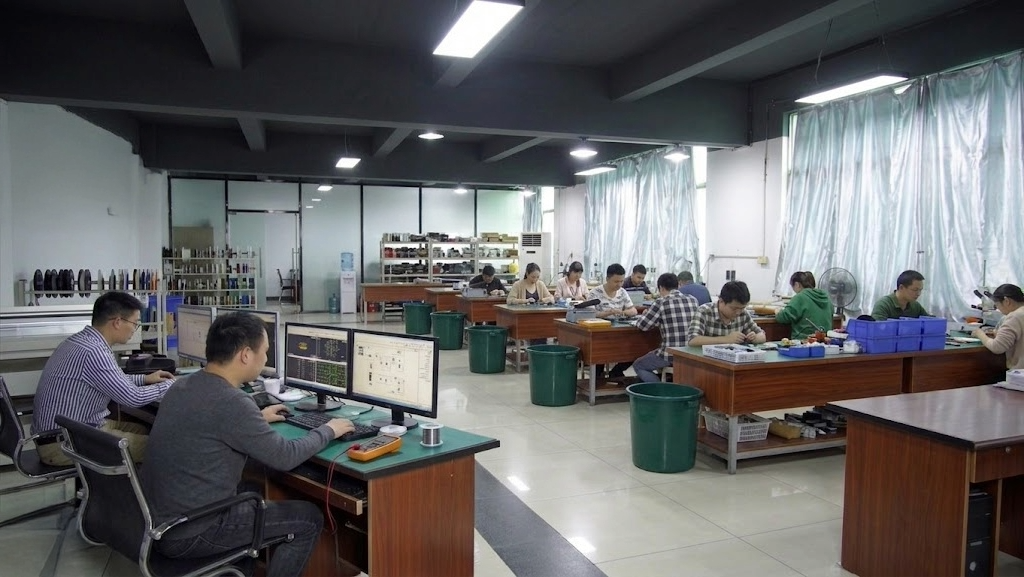
European handbag brands often approach a factory with a mood board, a reference bag or a few sketches. That is enough to begin a conversation, but usually not enough to produce a reliable quotation or a first sample that answers the right questions.
A clear brief is a decision-making tool
The purpose of a development brief is to define what matters now and what can remain open. It prevents the sample room from filling gaps with assumptions that may later be rejected. It also helps your team compare material, construction and cost options on the same basis.
A good brief does not need perfect technical drawings. A marked-up reference image, approximate dimensions and a clear description of the target customer can be enough for the first discussion. The important point is that every uncertain area is identified rather than silently guessed.
Six inputs a manufacturer needs
Product category and intended use
State whether the product is a tote, shoulder bag, bucket bag, backpack or another format. Explain how it will be carried, what it should hold and the intended retail positioning.
References, dimensions and function
Supply front, side, back and interior references where possible. Mark the expected width, height, depth, strap drop, closures, pockets and any functional details that cannot change.
Materials, lining, hardware and colour
Describe the preferred outer material and hand feel, even if the exact article is undecided. Include lining, edge paint, metal finish and colour references such as Pantone codes or physical swatches.
Branding, labels and packaging
Indicate logo size and placement, embossing or metal logo needs, care labels, country-of-origin marking, dust bags, hangtags and any packaging requirements that affect development.
Order quantity and target price
Share the expected quantity by style and colour, plus a realistic target range. Buyreal's MOQ starts from 300 pieces per style; a focused first round of two or three styles is usually easier to manage than a wide, unfinished collection.
Timing, sample deadline and launch date
Separate the date you need a first sample from the planned bulk delivery date. A standard first sample typically takes 5 days after material confirmation; allow 10–12 days when a new or custom mold is required. Special materials and complex construction can also affect timing.
What happens after the brief
The manufacturer should first confirm which points are fixed, which require sourcing and which need a construction proposal. The next useful outputs are a preliminary material direction, an indicative quotation, an open-questions list and a sample schedule.
Treat the first prototype as a working decision sample. Review proportion, function, material behaviour and workmanship separately. Record each change in one consolidated comment sheet so that the next version does not combine conflicting instructions from different team members.
What to send in your first email
- One folder per style with clear front, side, back and interior references
- A simple dimension table and notes on essential functions
- Preferred material, colour, hardware and logo direction
- Expected quantity by style and colour, target price and market
- Sample deadline, launch date and any required compliance tests
- A short list of decisions where you want the factory's recommendation
The best development starts with a brief that is specific enough to act on and open enough to benefit from manufacturing experience. If your concept is still early, send the information you already have and clearly label the decisions that remain open.